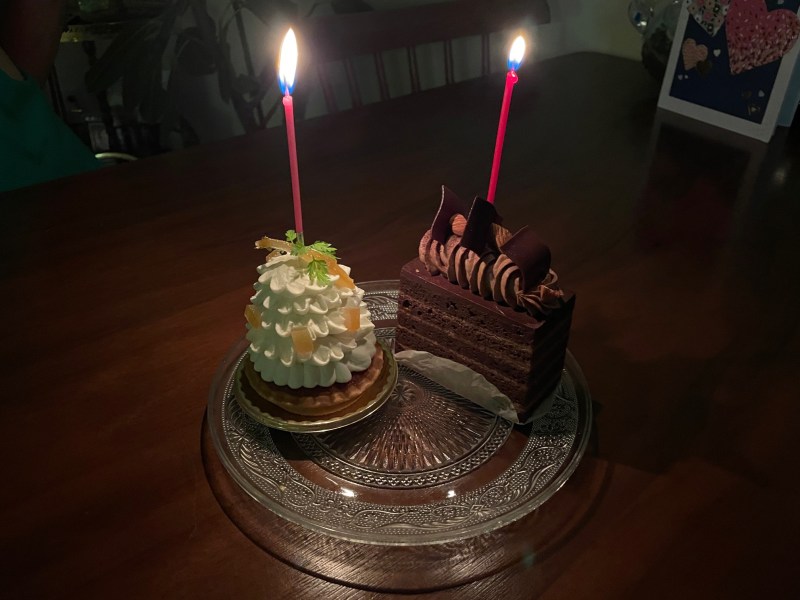
May & June were cause for celebration: May being our wedding anniversary which we celebrated with a nice dinner in the house, followed by some little cakes from our local pâtisserie. 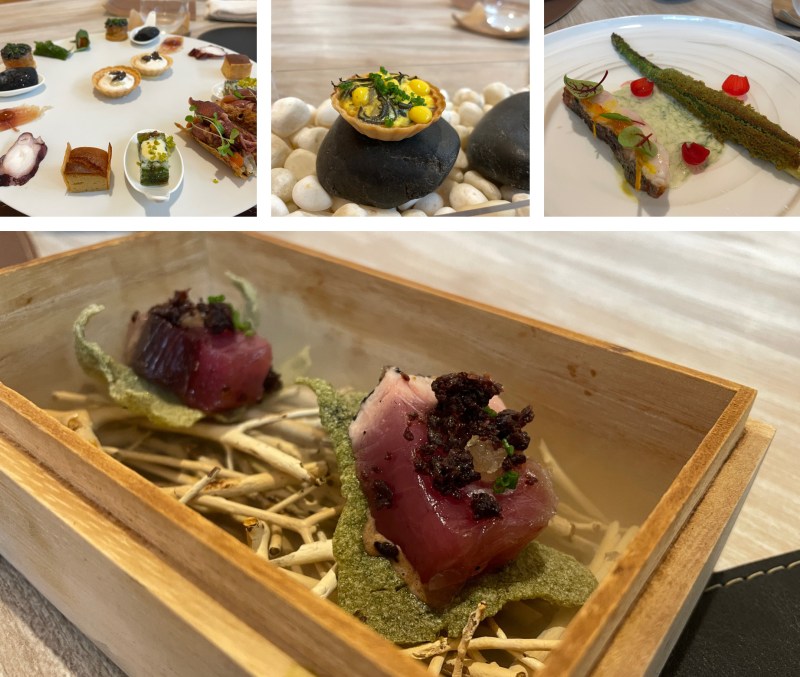
June was also my birthday and so Mrs IKIMASHO treated me to lunch at one of our favourite restaurants – Simplicité, a 1 Michelin Star spot in Daikanyama. 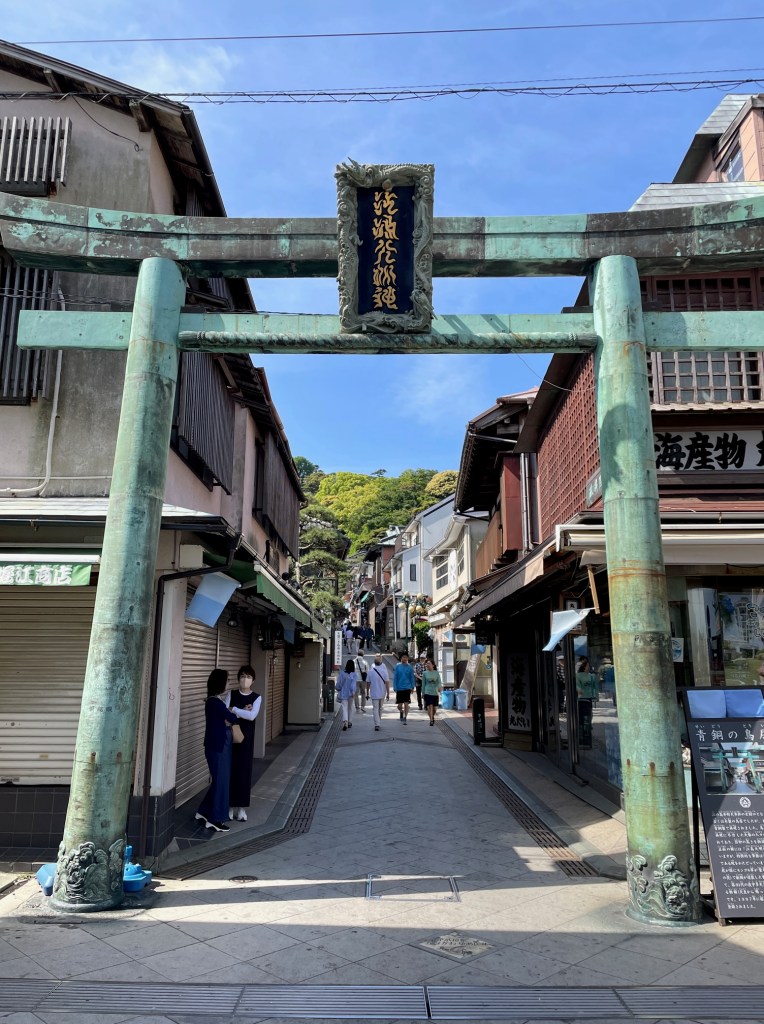
The start of May was clear and bright so we took advantage of the good weather and took the train down to Enoshima – a small island off the Shōnan coast that we usually visit once a year whenever we are in need of an ocean fix. You can climb over the island and down to the other side where a small speedboat will bring you back. The winds were pretty strong on the day we went, however, so we had to make the return trip by foot. 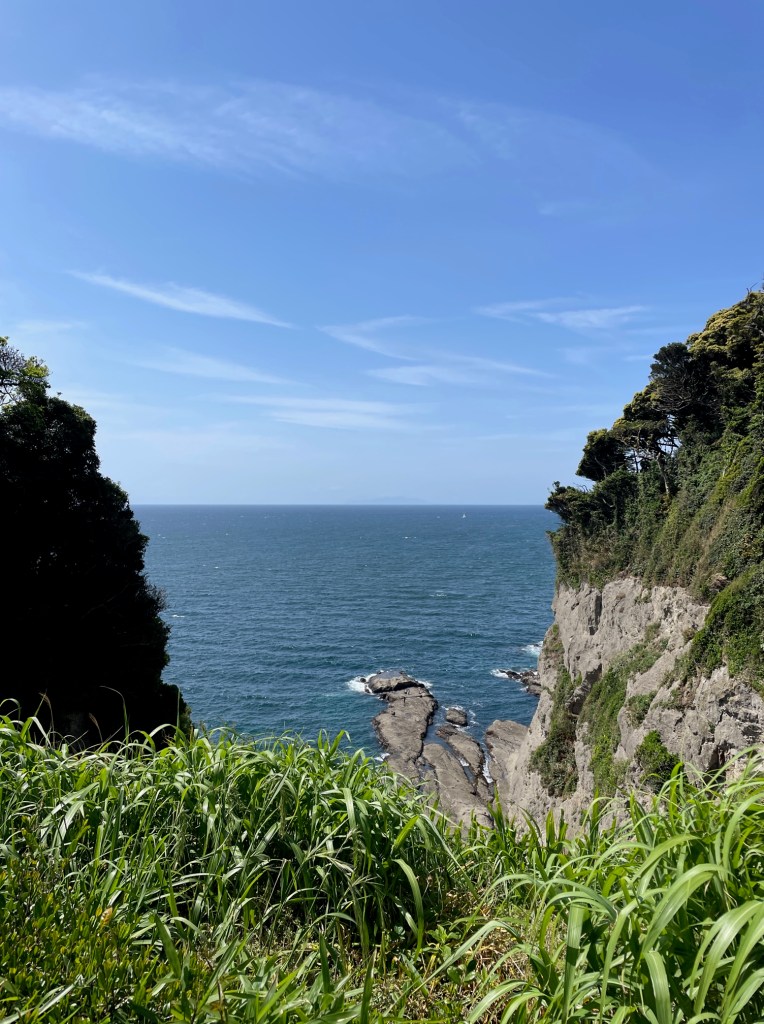
The views are always refreshing 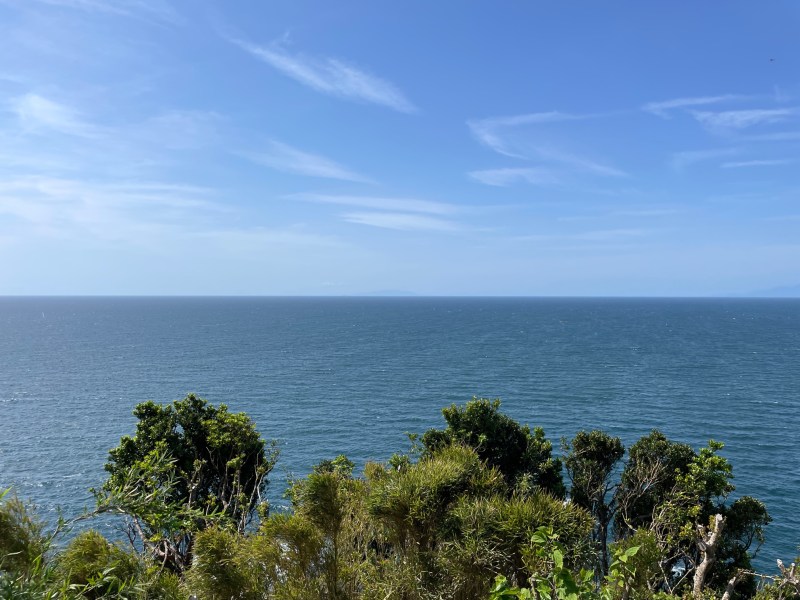

Fuji-san in the distance! 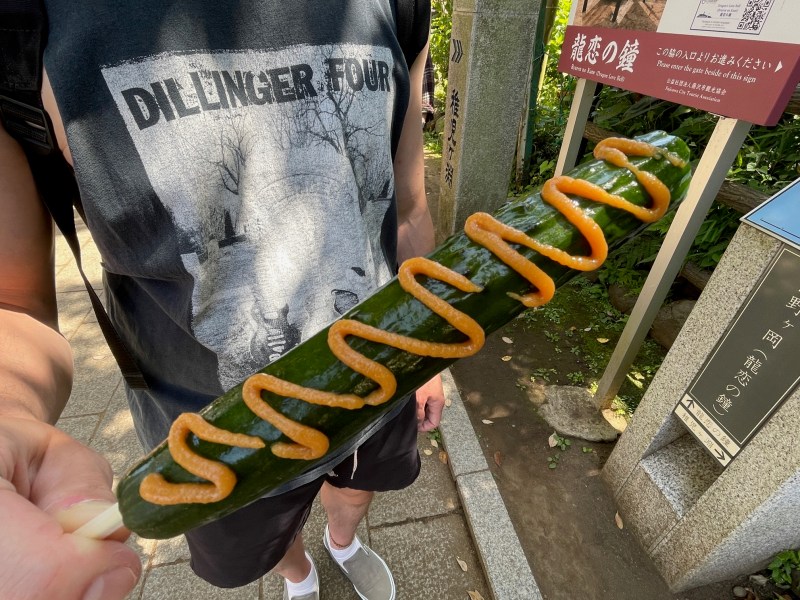
In the warmer months, crunchy ice-cold cucumbers on sticks are popular in Japan. This one was covered in miso and a welcome munch after the short hike. 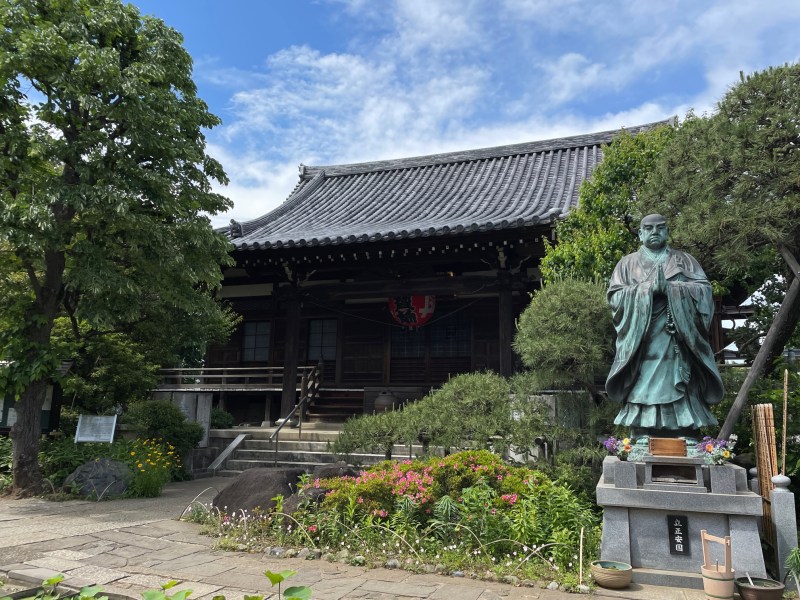
The transition from spring to summer always sees lots of green emerging… 
As well as hydrangeas for Mrs IKIMASHO to get lost in 
As the rain falls like jewels, the streets sparkle and shine 💎✨ 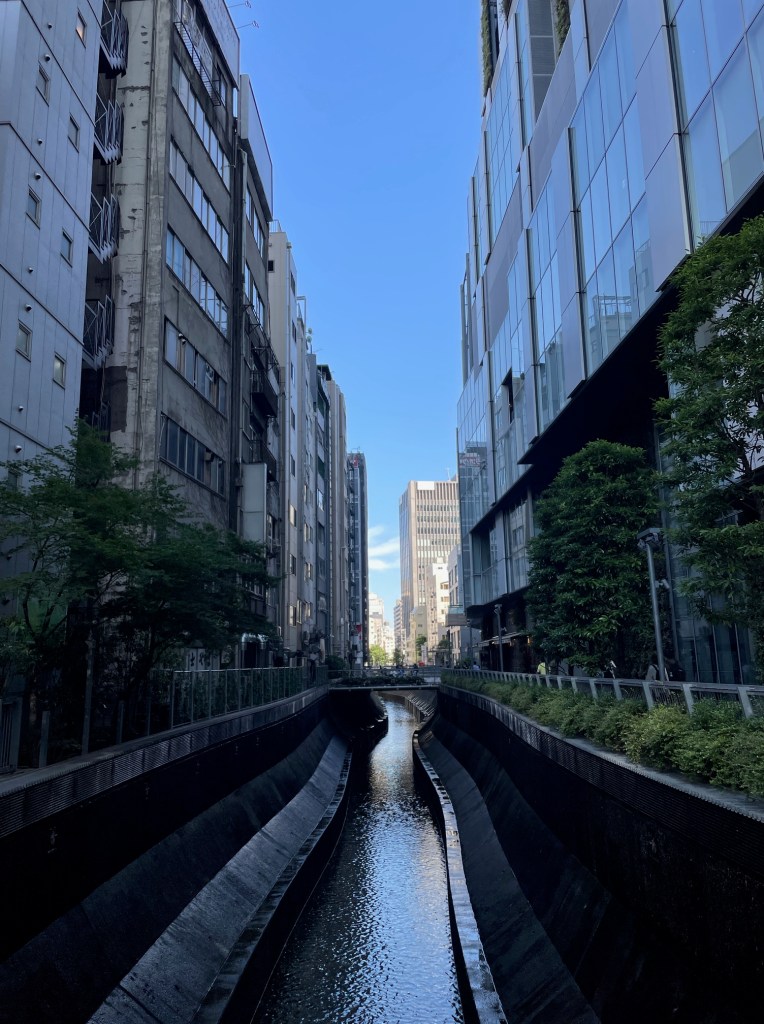
The backstreets of Shibuya giving off some Blade Runner vibes 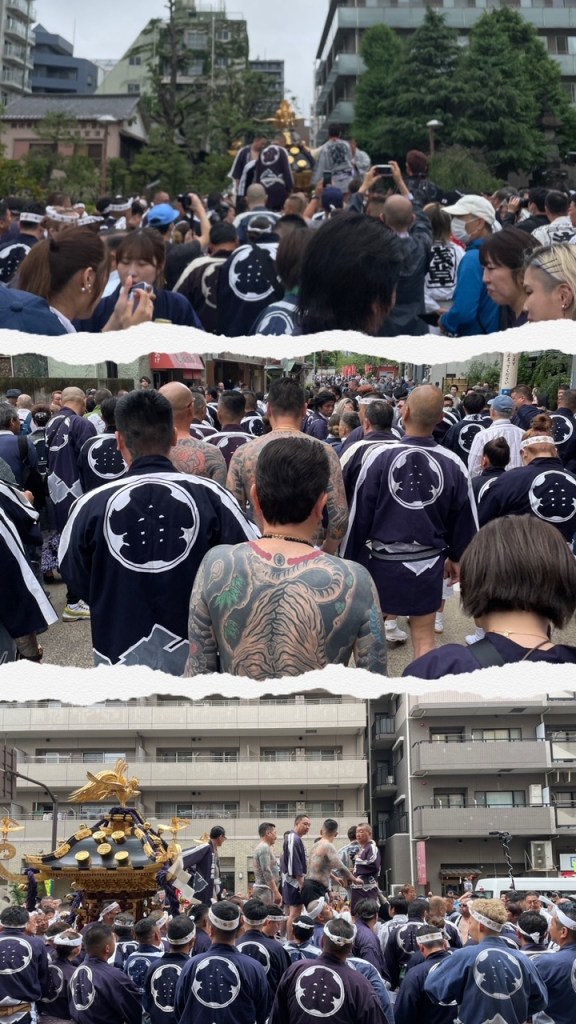
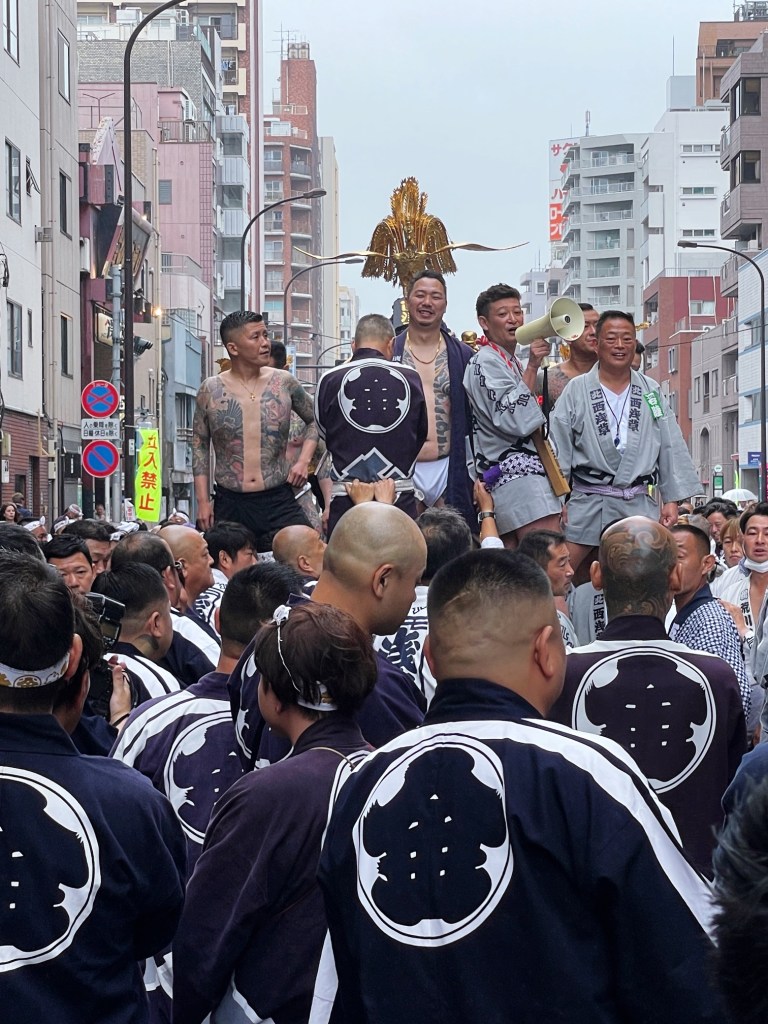
Festival season is currently in full swing, and we made our way to three matsuris during May and and June. The first was the Sanja Matsuri, considered one of the wildest and largest in Japan. This is mainly because of the Yakuza show of strength, where one hundred men join forces to lift a mikoshi (portable shrine) that weighs over one tonne and parade it through the streets. It is one of the rare opportunities to see Yakuza members fully disrobed, showing their tattoos openly on the streets.



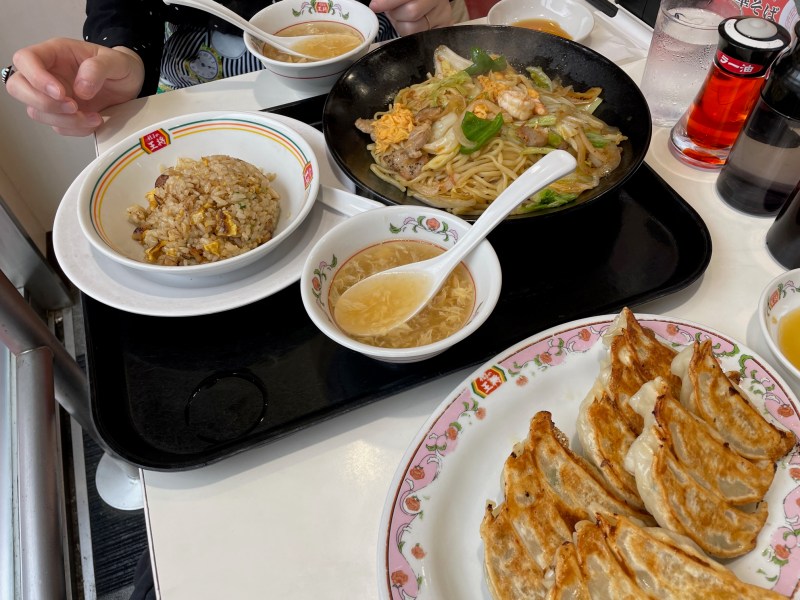
A cheap and cheerful lunch at Osho after one of the festivals. Gyoza, fried rice, egg soup, fried noodles. 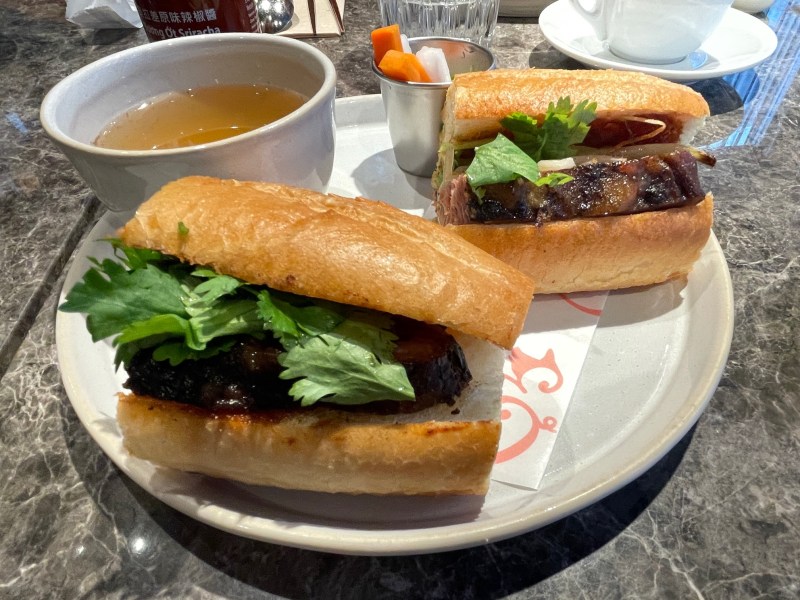
French Dip Banh Mi with pho soup on the side to use as a dipping sauce: The Pig & The Lady, Ebisu. 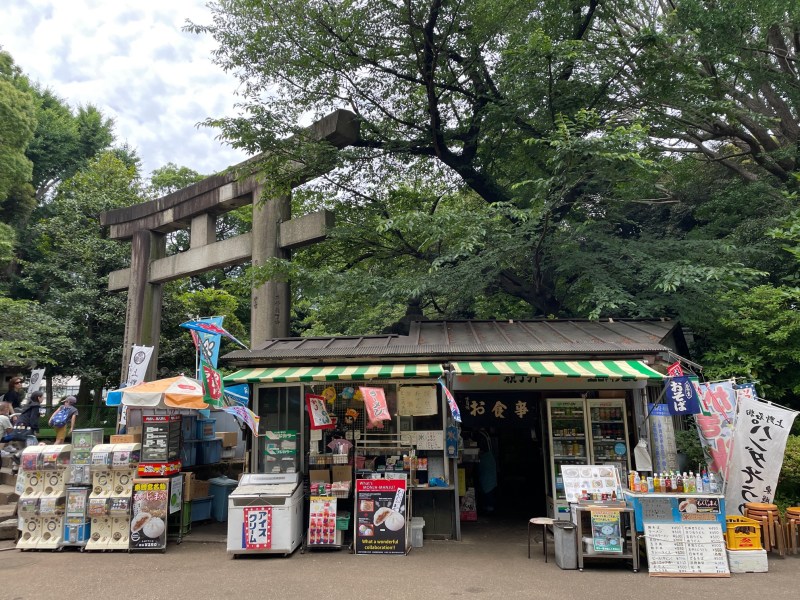
Festival number two saw us out towards Ueno Park for the Ueno Gojo Tenjin Shrine Grand Festival 
This was a quieter affair with quite a lot of ritual/chanting before the shrine was lifted 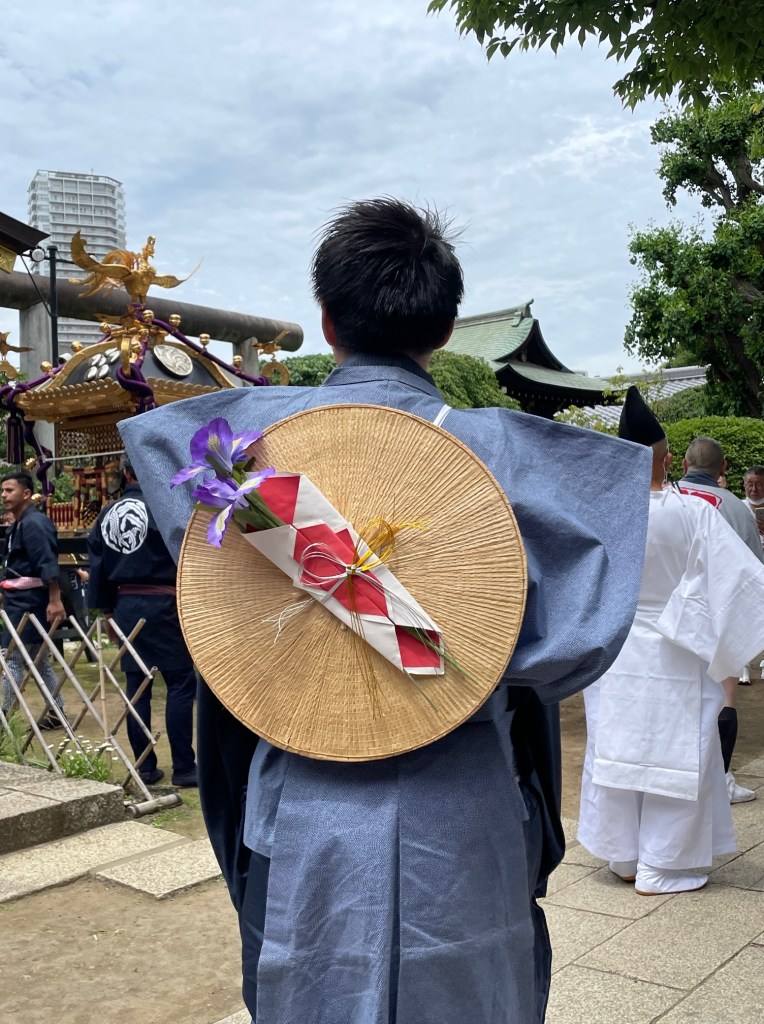
Lots of cool traditional dress 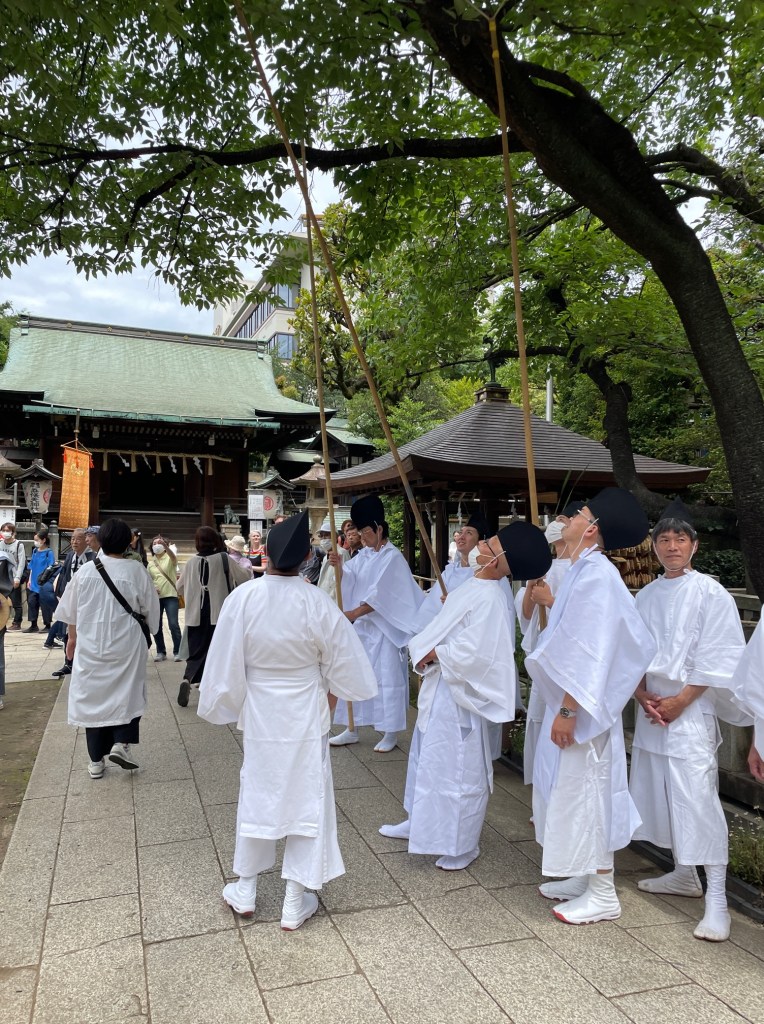
The monks had to use long bamboo poles to push the tree branches up as high as possible so that the shrine didn’t smash into the trees 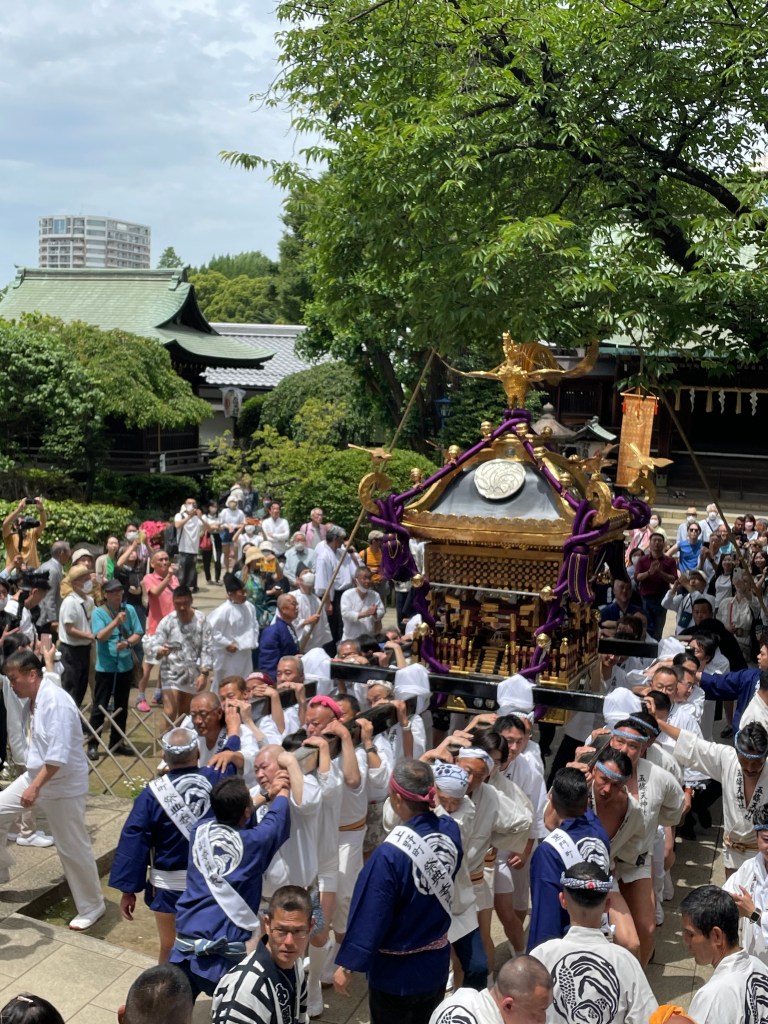
Their plan just about worked! 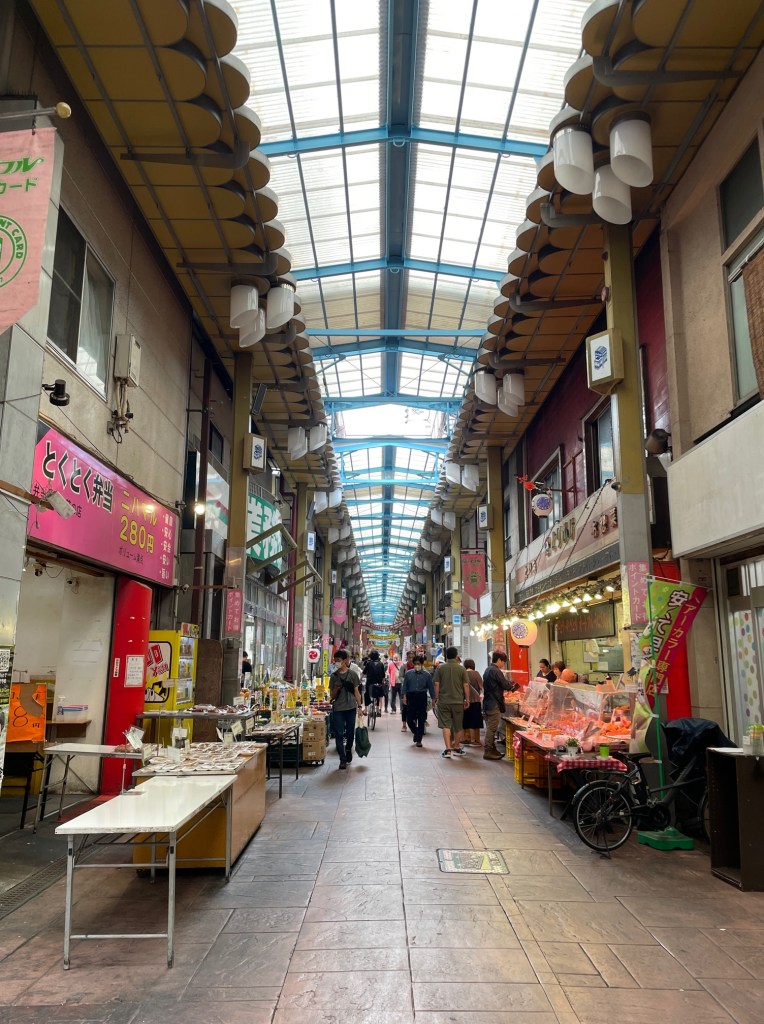
Festival 3 almost happened by chance. We knew that there was a matsuri happening somewhere in Arakawa-ku that day, but had no real details so we decided to just go to Minowabashi anyway for a walk around. It’s a real old-school area in east Tokyo with a working class vibe. Very different from the likes of Meguro or Setagaya. 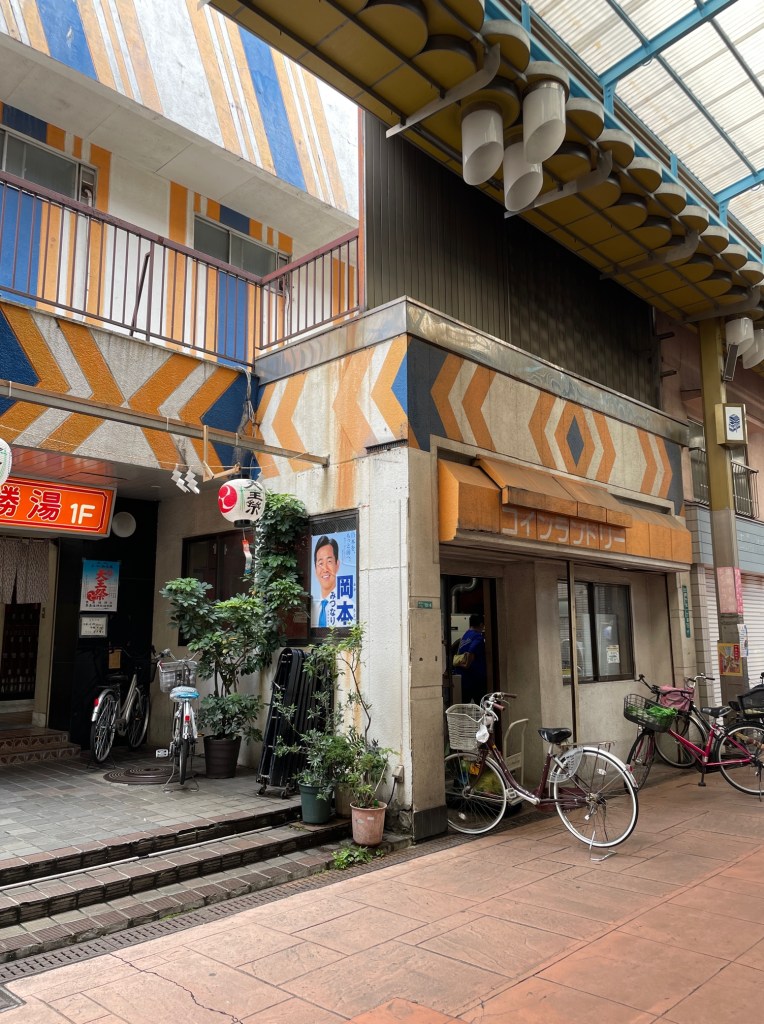
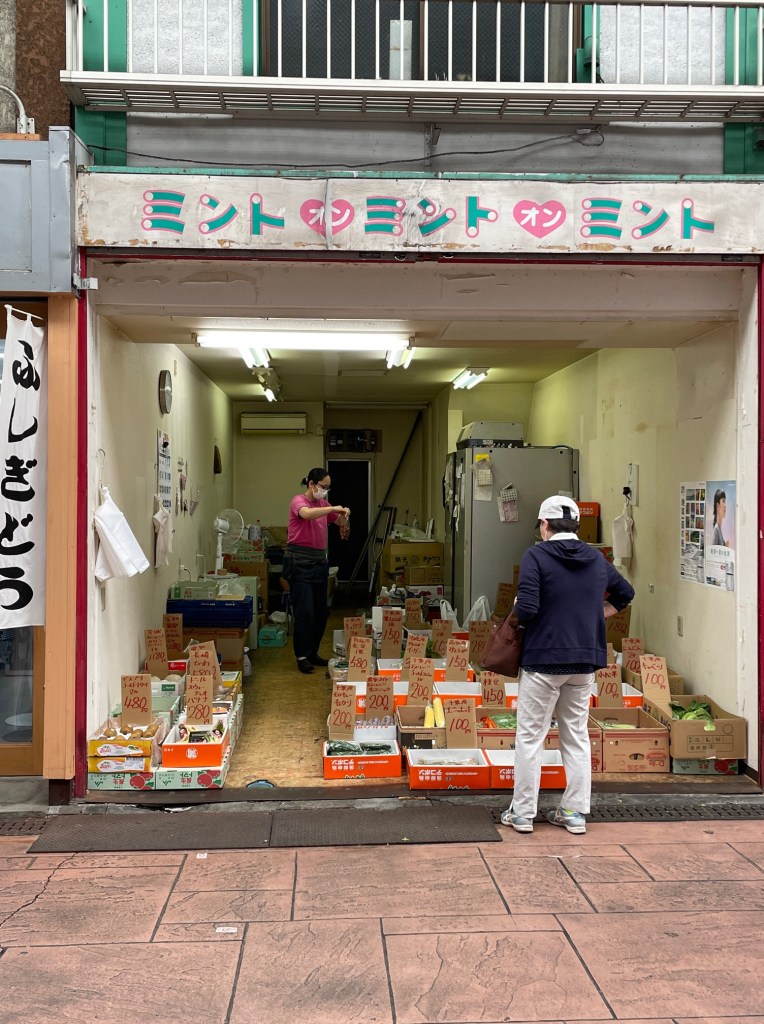
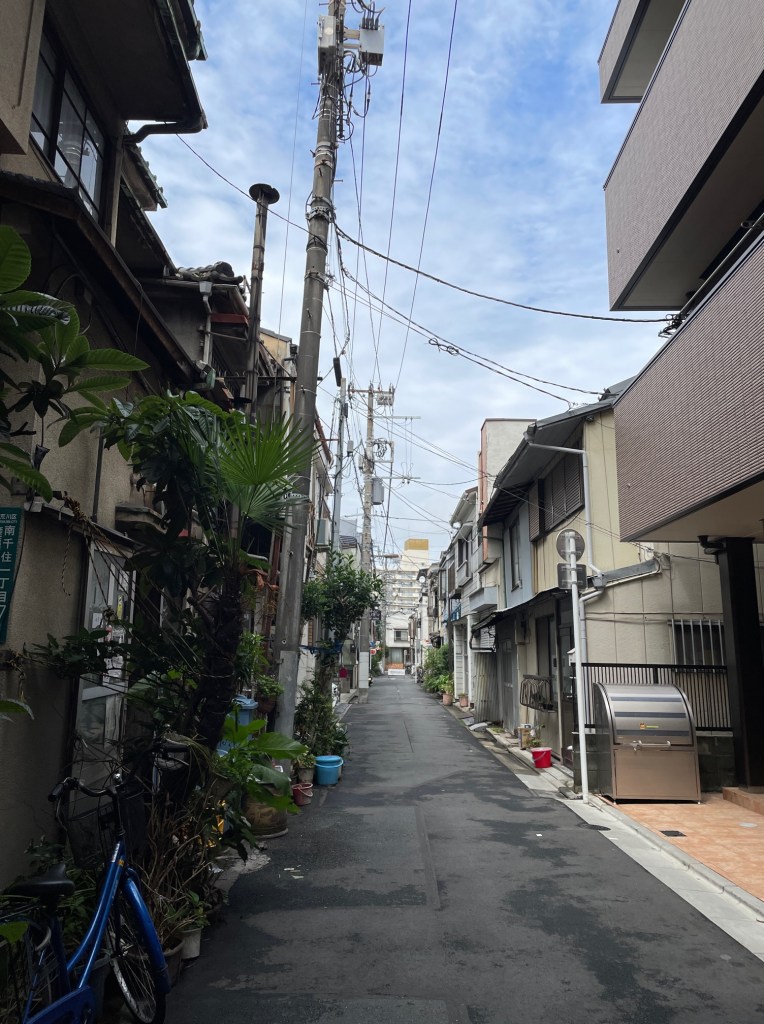

While walking through the streets we heard the familiar sound of chanting in the distance and we stumbled across the Tennoh-sai Annual Festival – it was just passing through at that exact time. A very local feel – residents from a local nursing home had been brought out onto the street so they could watch. 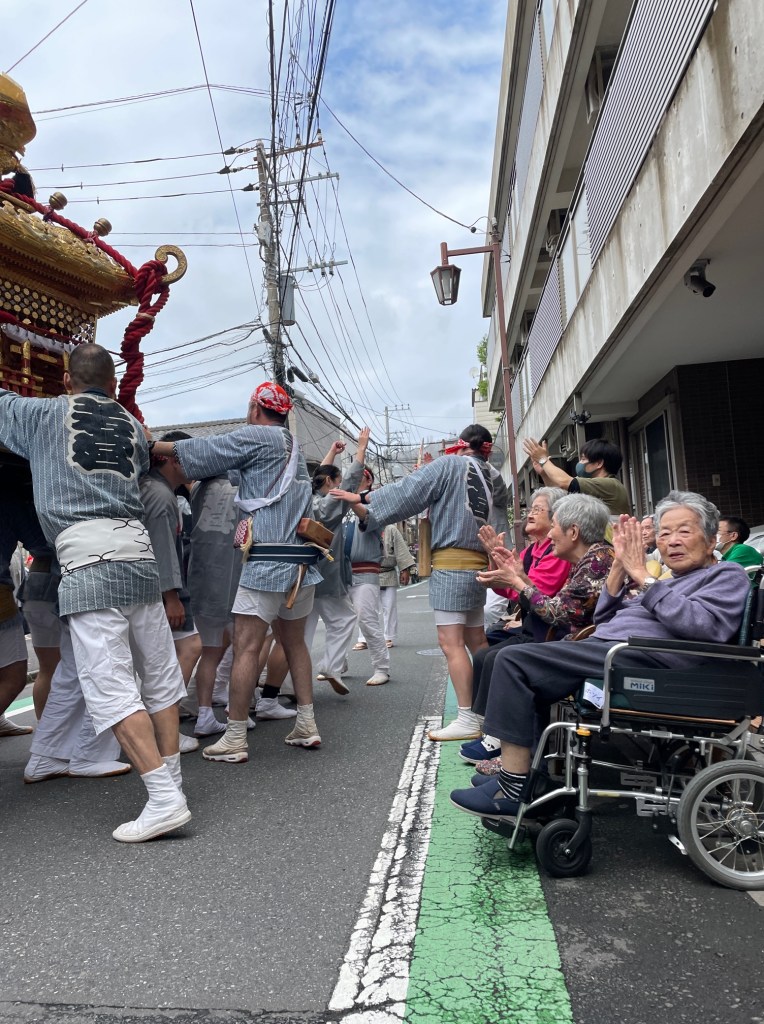
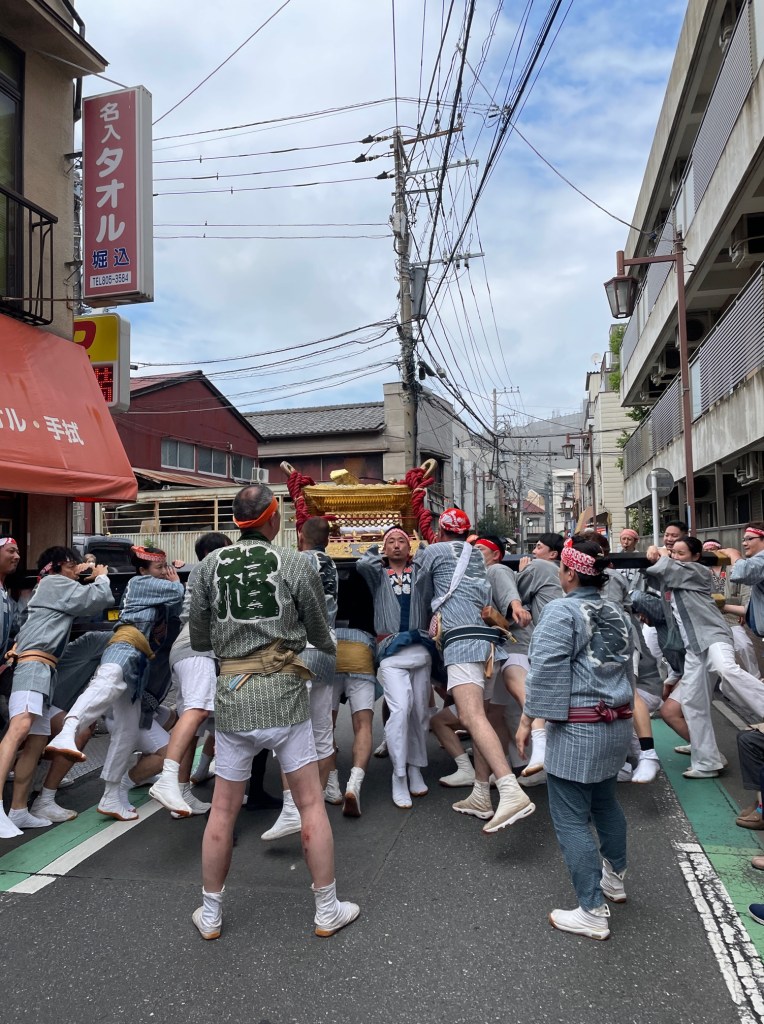
Carriers swing the heavy mikoshi to left and right violently. People believe the more they jostle the mikoshi, the more it will please Susanoo who was a fierce Shinto god. It is dangerous to handle a mikoshi in such a way and requires trainings and a good teamwork. 
They carried it all through the neighbourhood, squeezing down tight alleyways to swing the mikoshi and bring luck to the houses nearby. 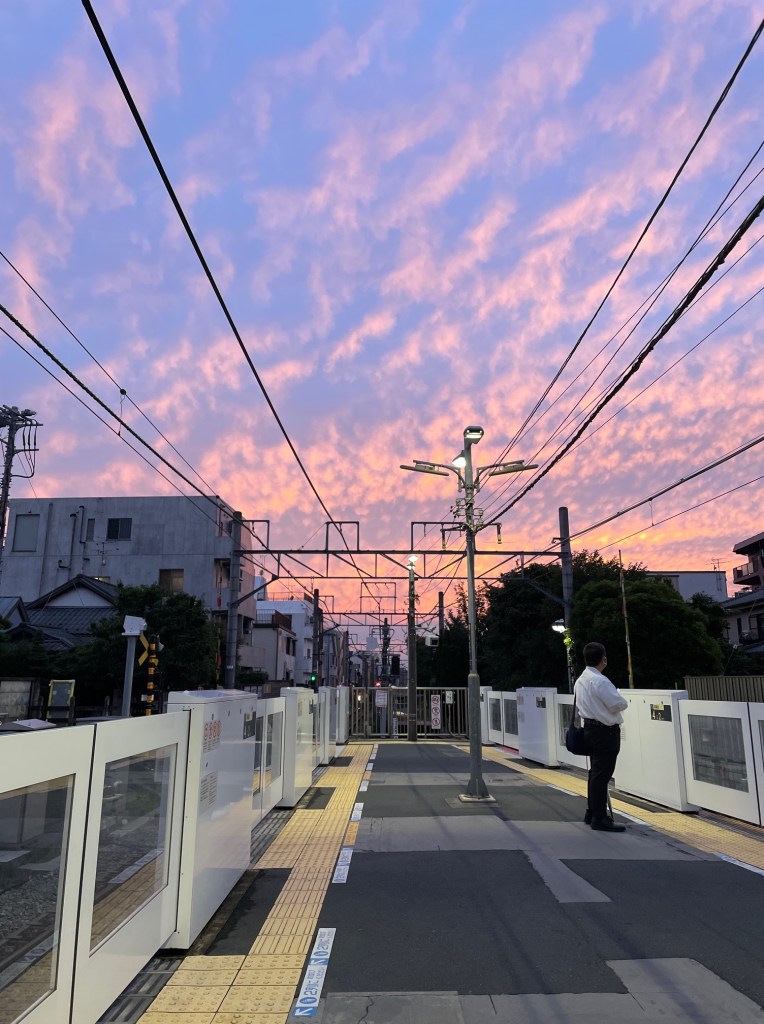
I hope you are all keeping well, and enjoyed our rambles from the past few months. Thanks for reading! 🙂💜💙💖💗
 IKIMASHO!
Lovely! I enjoy your photos so much. Hope to visit Japan someday 🩵💜
Thanks for an illuminating email. It almost feels as though I have been on a guided tour of the places I would never see on a commercial holiday to Japan.
Belated congratulations to you and your Mrs., and a Happy Birthday! I love these images: they capture delightful days! Wishing you all the best!
Thanks so much for the photos! I do gave a question about the Yakuza festival. Or, rather, the Yakuza in general. How are Yakuza viewed in Japan? It seems strange to me that “gangsters” would be so open about who they are, and even celebrated like that. Is it a “you can’t arrest us because you have no evidence” type thing? Or do the police just leave them alone? I thought they were the bad guys because they commit terrible crimes. Is it not seen that way? Are they respected? I want to understand the relationship between the public and the Yakuza.